


Beads and Focused Intention: The Practice of Concentration Through Fingertip Movements

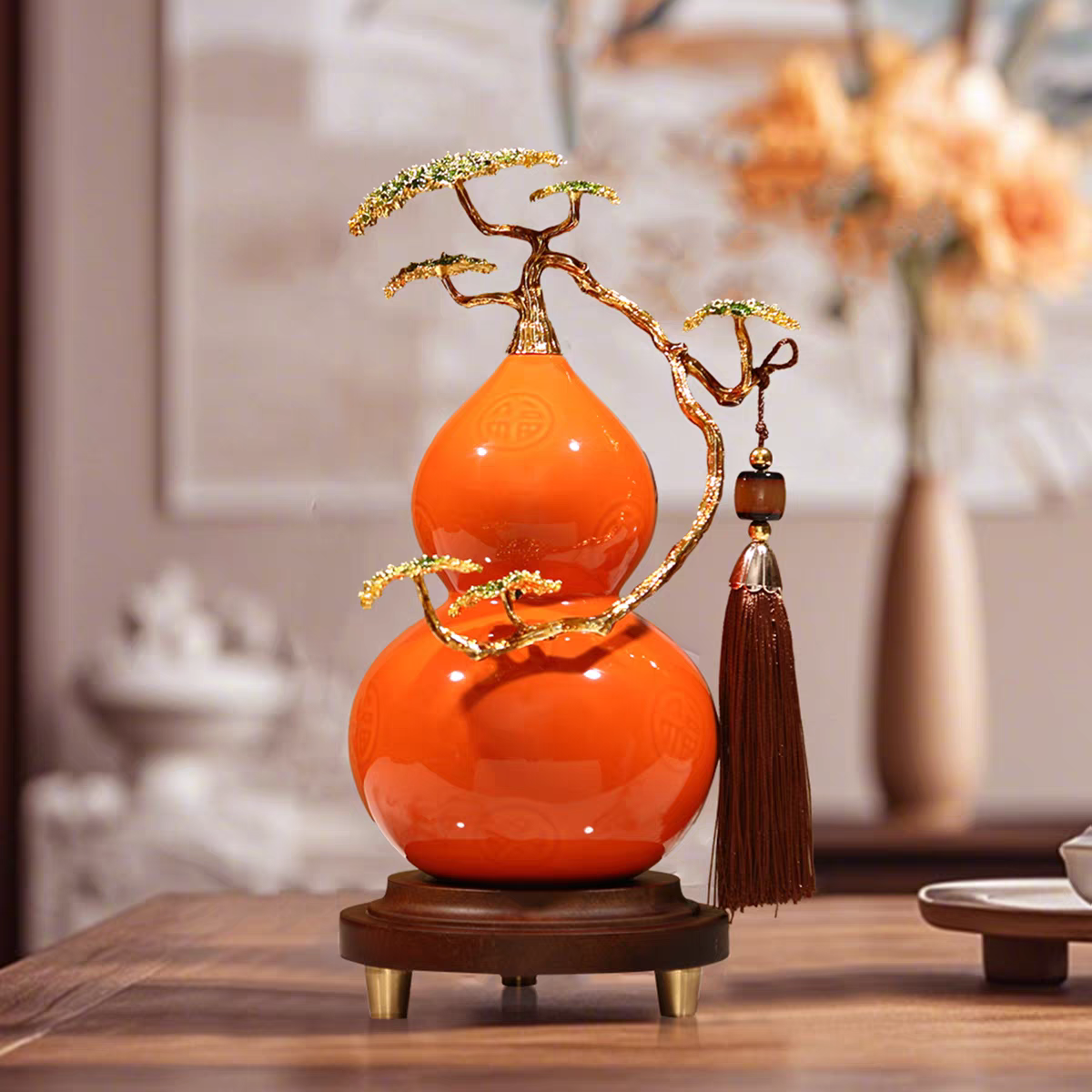
In moments of leisure, when I run my fingers over a string of beads, watching the warmth of wood or the transparency of jade glow in the light, and hearing the crisp sound of beads colliding, my mind inevitably calms down. This seemingly simple act of rubbing and playing hides a deep connection between the beads and focused intention. Beads are never merely decorations; they are more like a bridge linking restless thoughts to a focused mind, allowing intangible intention to converge and settle through repeated fingertip movements.
Tracing the origin of beaded bracelets, they were closely bound to the practice of cultivating focused intention from their very birth. In Sanskrit, prayer beads are called “prasamana,” originally used by Buddhist practitioners as a tool to count chants. The Chinese Buddhist classic “The Sutra of the Wood Apple Beads” clearly records that the Buddha instructed his followers to string a hundred and eight wood apple beads, carry them with them, and recite the Buddha’s name, using the beads’ counting function to gather their mind. In Hindu and Buddhist traditions, the setting of 108 beads carries deeper significance, representing the perfection of the universe and the connection between individual self and the cosmos. Each bead serves as an anchor for concentration, helping practitioners eliminate distracting thoughts through repeated recitation. The ancients vividly referred to prayer beads as “horse-tethering ropes,” implying that when the mind is as unruly as a wild horse, wandering with random thoughts, holding prayer beads can restrain whims and enhance concentration—this is the earliest testimony of beads carrying focused intention.
The assistance of beads to focused intention first lies in their ability to guide scattered thoughts toward concentration through tactile sensation and movement. Neuroscientific research shows that repeatedly and gently rubbing the warm texture of beads is a regular tactile stimulation that can lower stress hormone levels, promote the secretion of pleasure neurotransmitters, and switch the body and mind from a state of tense stress to a relaxed mode. When the fingertips glide over each bead one by one, attention naturally focuses on the tactile sensation and rhythm. This state is like dynamic meditation, which can effectively interrupt negative recurring thoughts, allowing focused intention to withdraw from the vortex of chaotic emotions and focus on the present moment. Shi Tianji, a scholar of the Qing Dynasty, once received enlightenment from Lu Dongbin, and his verse contained the maxim: “A hundred and eight prayer beads cycle round; focused intention does not drift away like flowing water.” This is a vivid interpretation of this state of concentration—the circular turning of the beads is precisely to prevent focused intention from drifting with random thoughts, anchoring the original mind through regular movements.
More profoundly, beads are containers and witnesses of focused intention; they not only carry the concentration of the present moment but also precipitate long-term aspirations. Traditional mantra beads are handcrafted by monks who continuously chant scriptures during the weaving and polishing process, infusing devout focused intention into the artifact, making the beads themselves a carrier of spiritual energy. For ordinary people, when we set a clear intention for our beads—whether it is pursuing inner peace, cultivating patience, or adhering to a certain goal—each act of playing with them becomes a reinforcement of that intention. Just as some people are accustomed to silently reciting their wishes while playing with beads, each turn of the beads makes the focused intention more condensed. Over time, the beads become a material symbol of one’s aspirations. The experience of a Douyin user sharing their peach wood bead bracelet may illustrate this point: deliberately slowing down to play with the beads a few times a day, this small ritual calms scattered thoughts, stabilizes the mindset, and the beads become a spiritual reminder to focus on goals.
However, it is important to remember that the core of the connection between beads and focused intention lies always in the “mind” rather than the “object.” The story of Granny Chen on Douyin is a warning: she recited the Buddha’s name for fifty years, wearing out countless prayer beads, yet suffered from illness and misfortune, simply because her mind was filled with worries about her sheep and money during recitation, leading to scattered thoughts. Zen Master Huiming enlightened her with the metaphor of boiling prayer beads into “sheep droppings”: true practice does not lie in the number of recitations, but in the concentration of one’s intention—when she let go of distracting thoughts and sincerely focused on each recitation, even if the prayer beads boiled in water, they still maintained their essence. This is exactly what Buddhism emphasizes: the merit of prayer beads does not lie in the value of their material, but in the purity of sincerity during recitation. Beads are merely tools to assist focused intention; the true core is the tempering of one’s mind.
Today, beads have long transcended the realm of religious practice and become a carrier for modern people to relieve stress and settle their minds. In a fast-paced life, we may not need to chant scriptures, but when we pick up a string of beads, the touch of our fingertips can calm the impetuous heart and re-gather scattered focused intention. It may be a moment of relaxation between meetings, organizing thoughts during a commute, or an inner dialogue during late-night solitude. The value of beads has never been limited to their external beauty; more importantly, they can serve as a medium for dialogue with oneself, allowing us to regain the power of concentration and precipitate pure focused intention through the movement of our fingertips.
In the final analysis, the relationship between beads and focused intention is the mutual fulfillment of objects and the soul. With their tangible existence, beads provide an anchor for intangible focused intention; and the infusion of focused intention allows beads to transcend their inherent nature as objects, becoming spiritual sustenance that carries aspirations and beliefs. May we all find our own concentration and peace through the movement of our fingertips, making each act of playing with beads a gentle embrace of our original mind.

some genuinely good content on this website , thanks for contribution.
Thank you for your like! You can follow my subsequent blogs, where I will post more useful articles. Or you can contact us directly, and we will offer you professional advice.